Lecture series: Just Hair? Representation and Awareness of Black Hair in Series
Date
16 December 2026, 4:15 pm – 5:45 pm CET
Location
Technical University of Darmstadt
Description
Vortrag von Leila Kelley (Technische Universität Darmstadt) im Rahmen der Ringvorlesung "Widerständige Haare zwischen Ungehorsam und Selbstermächtigung. Transdisziplinäre Perspektiven auf Kinder- und Jugendmedien".
Ort: Technische Universität Darmstadt, Raum: S101/A4, Karolinenplatz 5, 64289 Darmstadt
Online-Teilnahme via Zoom: LINK
Sprache: Deutsch
Abstract:
Imagine you are watching a series on a streaming platform and entering the inner world of a 16-year-old character. The character looks at herself in the mirror. One word comes to mind: “unruly.” She is unsure what it means. She knows that her father uses the term “Afro” and that she should wear her hair with pride. She likes wearing it loose and the way it turns toward the sun. Yet, people touch her hair without asking or refer to it as “wool.” She reaches for a hair tie – the scene ends. Whether she ties her hair back or keeps it loose remains unresolved. This exemplary hair story points to the ambivalent meanings of Black hair and the social attributions associated with it. For young people, fictional characters can serve as role models and style icons. The representation of Black hair in fictional television formats can therefore be relevant to processes of adolescent identity work and self-empowerment. Whether braids, weaves, locs, or Afros, hairstyles and the discourses surrounding them convey messages about identity, belonging, and social recognition. Alongside this, they can create spaces in which young people question established beauty standards and develop their own forms of agency and self-empowerment.
The discrimination against Black hair has deep historical roots and is closely intertwined with racist structures of power. In particular, the transatlantic slave trade and European colonization contributed to the establishment of norms in which Black hair was devalued and measured against Western beauty ideals1. Black hair is therefore far more than a matter of individual aesthetics: it has a political and social dimension and makes existing norms, stereotypes, and power structures visible. At the same time, positive representations of Black hair can contribute to the visibility, recognition, and self-empowerment of Black youth2.
Building on this, the presentation examines how Black hair is represented in children’s and youth television series and to what extent such representations can raise awareness of the cultural and social meanings of Black hair and the discrimination associated with it. Furthermore, it explores how these portrayals may shape young people’s identity work and contribute to processes of self-empowerment. To explore these questions, selected children’s and youth series are analyzed regarding their representations of Black hair and discussed in the context of current discourses. Finally, the role of Netflix as an increasingly algorithm-driven platform is critically examined, with particular attention to how platform logics and media visibility influence the representation, perception, and broader social relevance of Black hair.
About the lecture series:
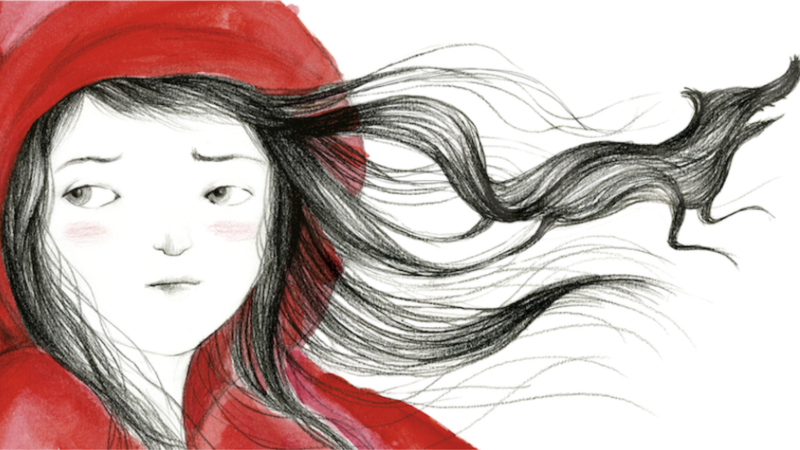
From dust-free shoes to a neatly combed head, the “well-groomed” child becomes the focal point of discursive negotiations surrounding contemporary ideals of hygiene education and virtue. Unruly (children’s) hair, on the other hand, reflects a tension between praiseworthy cleanliness and reprehensible vanity, a tension that is culturally, historically, and regionally coded. In contemporary art and literature, unruly hair can be portrayed as a symbol of self-empowerment, but also of exclusion. These depictions continue to reflect social taboos, particularly when (female) body hair is addressed. When unruly hair is portrayed as untamed, diverse, and independent, viewers are invited to rethink beauty: as something that is linked to diversity, texture, and resistance itself. In this lecture series, national and international experts will shed light on the multifaceted aesthetics and semantics of (children’s and adolescents’) hair as depicted in stories and artistic imagery from the perspectives of cultural studies and literary studies.
Participants are expected to productively and critically engage with the subject matter and to be willing to actively participate in the discussions.
The lecture series will take place during the 2026/27 winter semester and is open to students from all disciplines at TU Darmstadt, Goethe University Frankfurt, and Johannes Gutenberg University Mainz, as well as to the interested public.
The lecture series is part of the Strategic Alliance of the Rhine-Main Universities (RMU) and is funded by the RMU Teaching Funding for Teaching.