Verbund Archäologie Rhein-Main (VARM): Promoting young talent is imperative
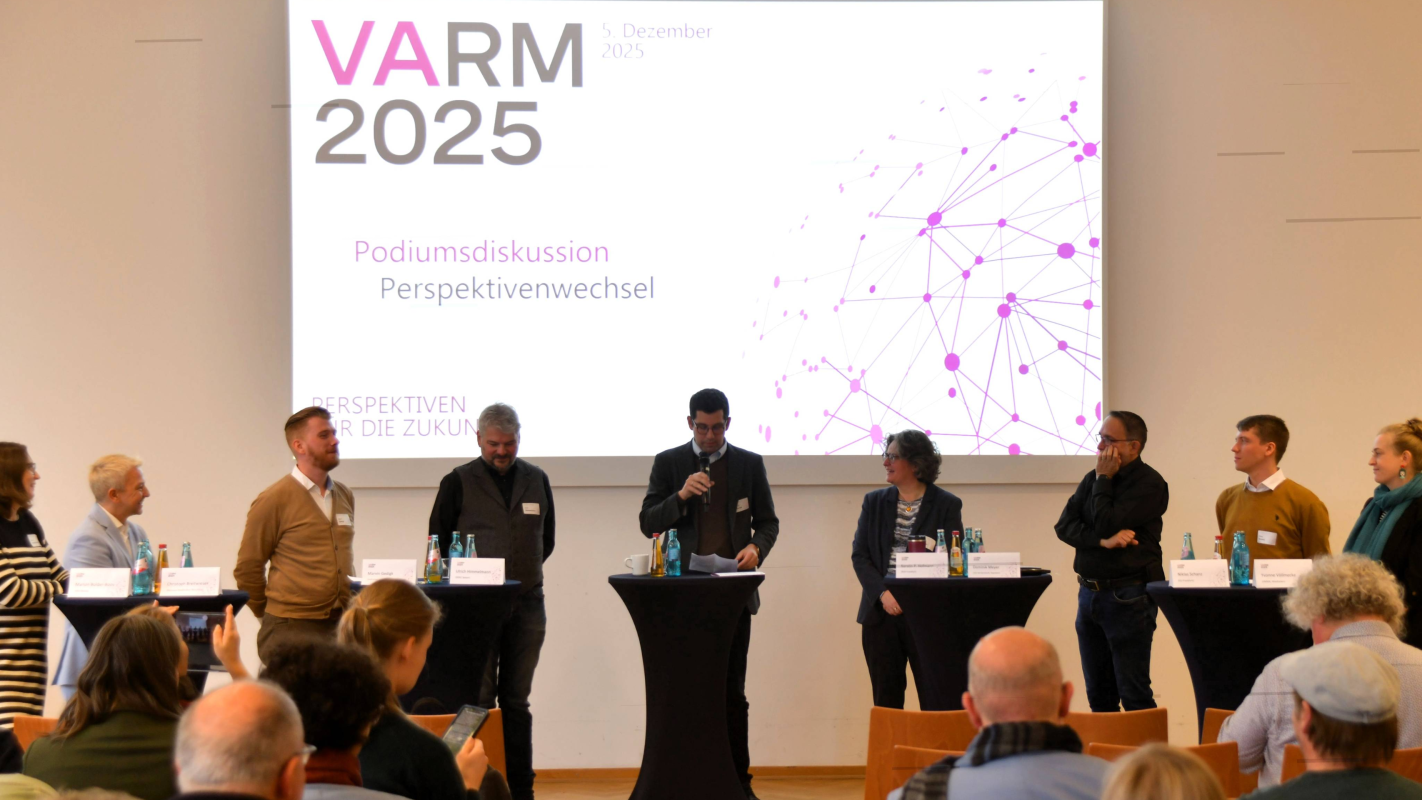
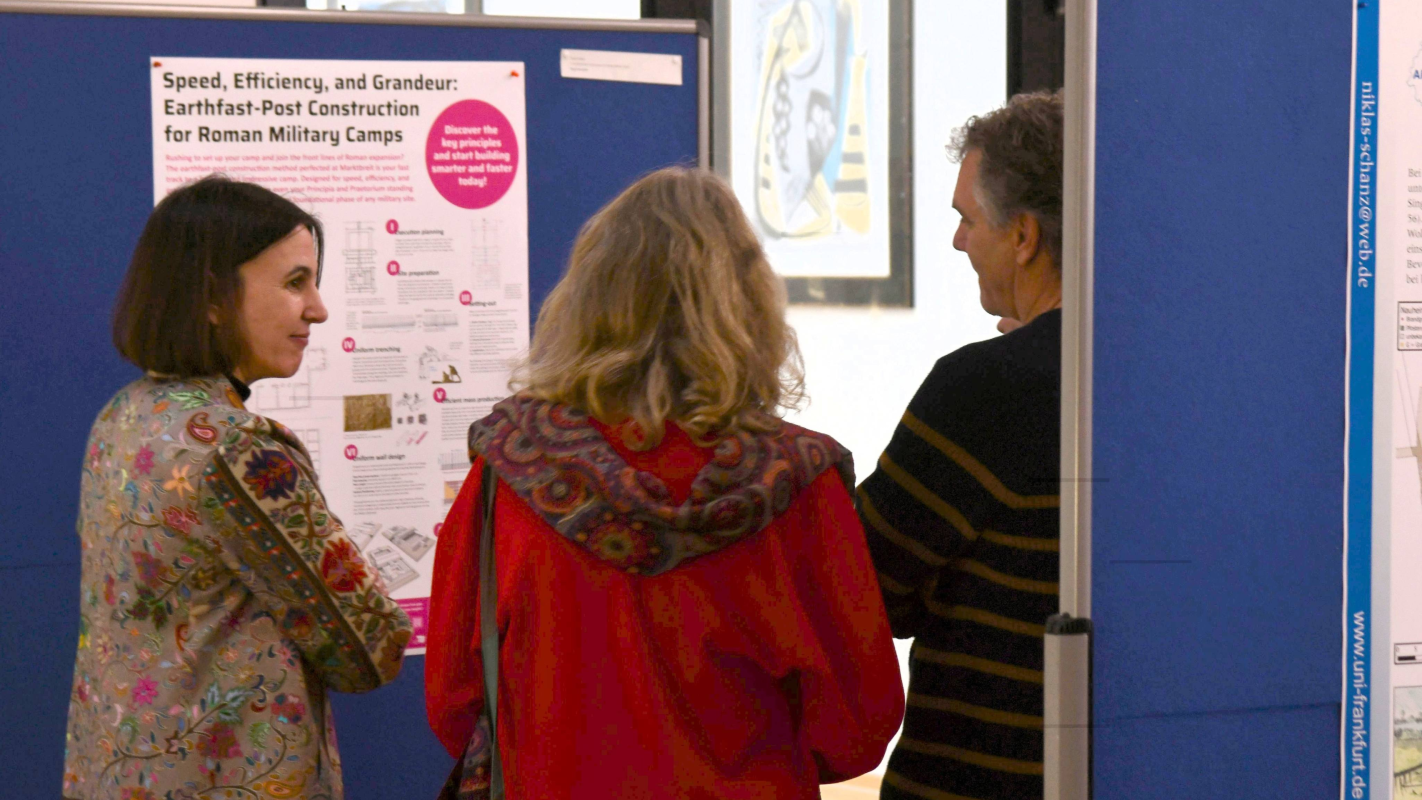
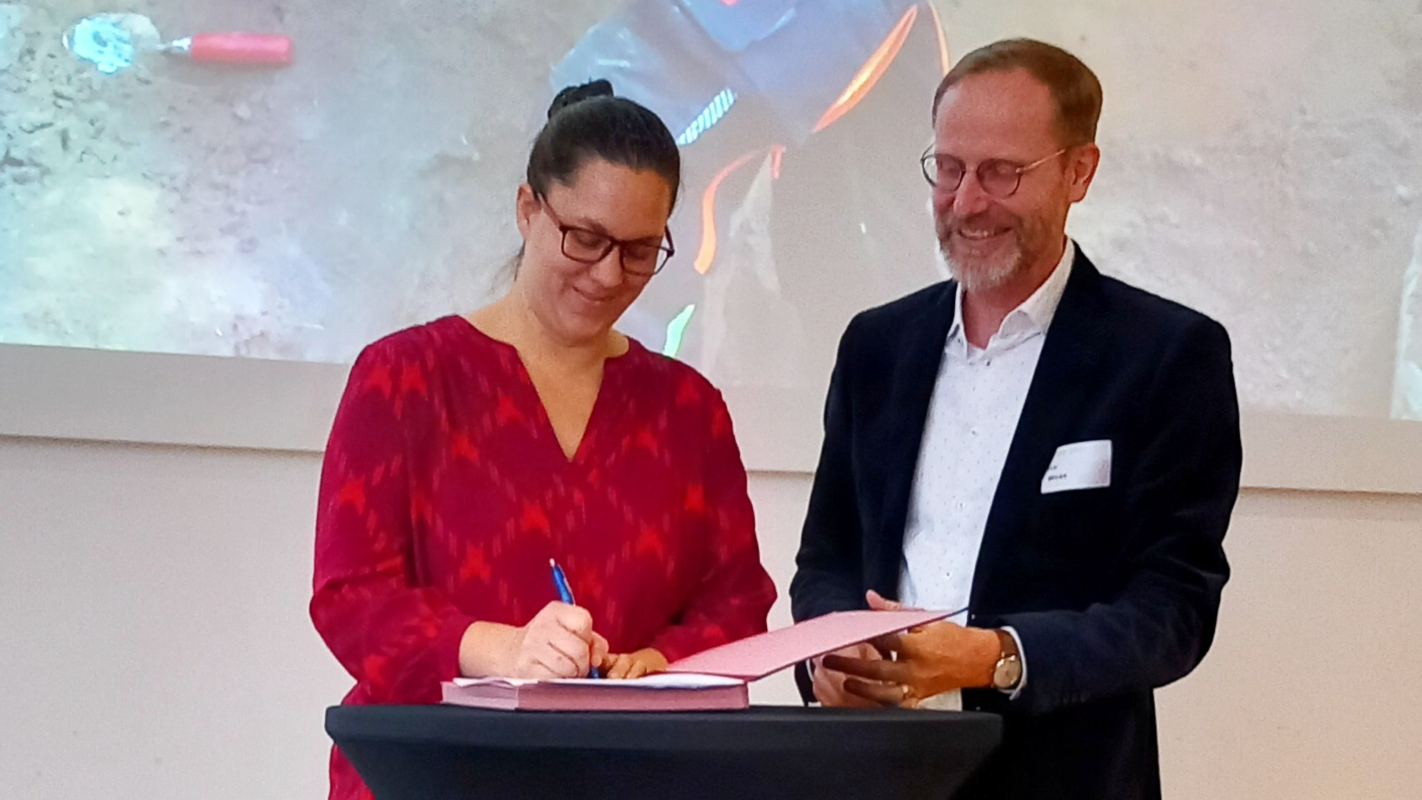
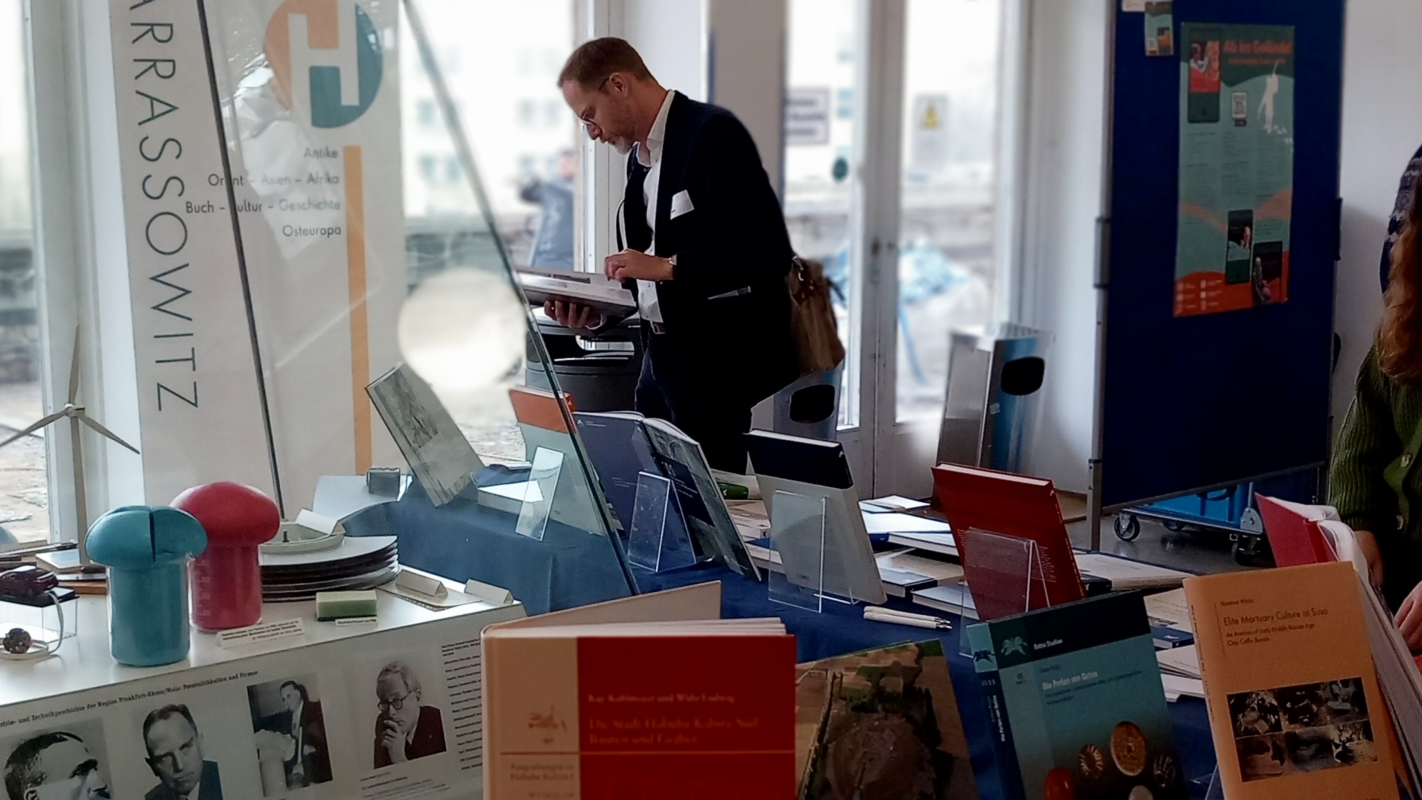
Bild 1&2: Joachim Kirschner, Goethe-Universität Frankfurt, Bild 3&4: Alexandra Hilgner, JGU Mainz
The annual conference at Goethe-University Frankfurt addressed the changing of the guards in archaeology and strategies for the future.
FRANKFURT. "Prospects for the Future" – This was the motto of the annual conference of the Verbund Archäologie Rhein-Main (VARM) on 5 December 2025 on Campus Westend of Goethe University. 150 archaeologists working at various institutions in the Rhine-Main region took part in the event in the Casino building, which was organized as part of the Rhine-Main Universities Alliance (RMU). In various formats – panel discussions, strategy panels, round tables – participants discussed current issues in archaeology in the Rhine-Main region, identified problem areas from different perspectives, and spoke about possible solutions. A poster presentation complemented the program, with topics ranging from Roman Nida to Ilkhanid Iran – archaeological research within VARM extends far beyond the region.
Verbund Archäologie Rhein-Main (VARM)
The Verbund Archäologie Rhein-Main (VARM) (Rhine-Main Archaeology Network) was founded ten years ago. Its purpose is to bring together the diverse archaeological activitie)s in the Rhine-Main region and offer researchers in the field of ancient studies a platform for professional exchange and joint projects. In addition to the three Rhine-Main Universities (Goethe University Frankfurt, Johannes Gutenberg University Mainz and TU Darmstadt), the VARM includes: the General Directorate for Cultural Heritage Rhineland-Palatinate, the State Office for the Preservation of Historical Monuments Hesse, the Leibniz Center for Archaeology Mainz, and the Roman-Germanic Commission of the German Archaeological Institute Frankfurt. During the annual conference, another member was added to the network, namely the Department of Archaeological Heritage Preservation of the City of Frankfurt. The association thus reflects a breadth of expertise that is unparalleled in the German-speaking world.
The future of archaeology
This year's VARM conference focused on the future of the discipline. “Changing perspectives: the next generation of archaeology” was the title of the panel discussion in the morning, which brought together experts from research institutions, monument preservation, museums, state authorities, universities, and student bodies. In the afternoon, the strategy panel, entitled “Making Archaeology Visible: Strategies for the Future,” addressed the relevance of archaeology in society. All contributions highlighted two key challenges for archaeology: a shortage of skilled experts and teaching and training in times of austerity measures. The shortage of skilled experts is largely due to an increasing number of (regional) construction projects. In Hesse and Rhineland-Palatinate, archaeological finds – regardless of their age – require builders to provide scientific documentation by law, for which qualified staff is needed. At the same time, job cuts and savings at universities mean that fewer and fewer young people can be trained. For the RMU universities, the cooperation with the archaeological network now offers a rich range of teaching and training opportunities, which also includes non-university partners. In this respect, the VARM partner institutions want to tackle the aforementioned challenges together. However, changes in personnel law, such as the ban on teaching assignments currently being discussed nationwide, make it more difficult to involve external staff, which would lead to the elimination of extracurricular offerings.
Participants at the conference unanimously agreed that archaeology suffers from a lack of visibility, particularly on social media, and still relies too heavily on traditional publication formats. Its social relevance must also be communicated more clearly. Museums in particular have a role to play in communicating this to the general public. In addition to traditional museum exhibitions with objects in (special) exhibitions that draw attention to archaeological work, the importance of social and digital media is growing – especially when it comes to sparking interest in archaeology among children and young people, be it for classical antiquity, Greece, Rome, the Ancient Near East, or the Middle Ages.
The importance of promoting (young) talent
Promoting young talent as early as possible could increase the number of prospective students. And during their studies, sufficient incentives must be provided to maintain the high level of intrinsic motivation that is fundamental to studying archaeology until graduation. In addition to promoting young talent, however, adequate remuneration for qualified specialists also plays an important role in making the profession attractive. All VARM institutions want to work towards this goal because, as one of the key findings stated: “We can only succeed together!”
Presentation of the Eduard Anthes Award
To close out the annual conference, the Eduard Anthes Award for two outstanding dissertations on the prehistory and early history of the German lower mountain ranges was presented. Awardees were Dr.-Ing. Birgit Nennstiel for her work on large wooden structures from the early Roman Empire, and Dr. Roman Zabolotnîi for his study of the medieval deserted village of Wetzlar-Dalheim. The award, which is presented every two years jointly by the Hessian Ministior of Science and the Arts, hessenArchäologie and Verein von Altertumsfreunden im Regierungsbezirk Darmstadt e.V, is endowed with 7,500 euros and is one of the oldest German archaeology awards. Since 1985, it has been granted for outstanding scientific work on archaeological topics from the German lower mountain ranges between the mouth of the river Neckar and the North-German plain.
The discussions initiated during the day will now be continued in smaller working groups over the coming year, with the results to be presented at the 2026 annual conference.
Text: Dirk Wicke and Alexandra Hilgner
Information:
Prof. Dr. Dirk Wicke
Vorderasiatische Archäologie
Institut für Archäologische Wissenschaften
Goethe-Universität Frankfurt
Phone: +49 (0)69 798-32317
Email: wicke@em.uni-frankfurt.de
Instagram: www.instagram.com/goethesarchaeology/